
mai
19
Aucun commentaire

mai
06
La fondation ANAR, une organisation d’aide aux enfants victime d’abus en Espagne, a innové en créant un panneau publicitaire offrant des messages différents selon l’angle de vue. Le panneau présente le visage d’un enfant tout à fait normal pour un adulte et une tout autre image pour un enfant de moins de 4’3 » (1.3m) l’objectif est d’être en mesure d’interpeller un jeune enfant qui est accompagné de son agresseur. L’enfant y voit un message l’incitant à appeler la Fondation ANAR s’il est victime d’abus alors que l’adulte y verra un message lui disant que l’abus d’enfants est parfois visible que par celui-ci.
Le panneau utilise le lenticular printing , un procédé photographique qui alterne une série de bandes d’images placées sur le dos d’une feuille transparente. La lumière qui s’y répercute crée différents effets dépendamment de l’angle que l’on observe. Il est possible de créer une image complètement différente et unique que celle perçue dans autre angle. Le concept a été pensé par l’agence GREY.
Aucun commentaire
avril
29
Budweiser Brazil a créé tout un buzz cette semaine avec son nouveau concept festif de la « Buddy Cup ». Ainsi, la célèbre brasserie a réinventé le traditionnel « toast » en y ajoutant une touche technologique. Le concept est simple et efficace : Il suffit d’entrechoquer vos verres et vous devenez automatiquement amis Facebook avec votre nouveau compagnon! La « Buddy Cup » est munie d’une puce RFID et d’un QR code qu’il suffit de scanner avec votre téléphone intelligent pour associer votre « Buddy Cup » à votre compte Facebook. Vous entrechoquez ensuite celui-ci avec votre comparse et le tour est joué, vous êtes maintenant amis Facebook!
Pour l’instant, la « Buddy Cup » est réservée aux événements Budweiser, mais parions que l’initiative fera des petits. La vidéo ci-dessous vous explique le concept :
Aucun commentaire
février
11
Dans deux mois la Flandre sera témoin d’un mariage inédit entre l’achat groupé et la téléphonie mobile. Pour chaque client de l’opérateur belge Mobile Vikings, il sera possible de réduire sa facture de téléphone en achetant des coupons de réduction pour des produits locaux sur une application mobile…
Quel est le point commun entre Hasselt , modeste cité flamande aux transports publics gratuits, et Mountain View , ville hôte du siège social de Facebook en plein cœur de la Silicon Valley ? Bien plus que leur jumelage, elles sont liées par l’innovation ! Quand d’ici la fin de l’année, Frank Bekkers se rendra dans la grande banlieue sud de San Francisco pour convaincre les investisseurs et conquérir le marché américain, le CEO et fondateur de Mobile Vikings présentera un modèle économique révolutionnaire : payer sa facture de téléphone en consommant moins cher et local !
Lancée en avril prochain en Flandre , son application d’achat groupé de coupons fonctionnera sur le modèle de Groupon ou LivingSocial mais en impliquant uniquement des partenaires locaux : chaque jour des deals spéciaux offriront des réductions allant de 50 à 90% auprès de marques et fournisseurs du cru. L’originalité de l’opérateur flamand, c’est que chaque bon promotionnel de sa plate-forme mobile donne droit à des « points Vikings » - 10 unités équivalant à 1 euro de crédit – pouvant ensuite être échangés pour acheter plus de minutes d’appel, de sms ou de débit Web. Plus vous consommez auprès des commerçants de votre coin et les aidez, plus vous réduisez votre facture de téléphone. Idée Simple et séduisante sur le papier.
« Notre but est que l’utilisateur paye le coût d’utilisation du réseau mais pas sa la facture de consommation. Les magasins seront ravis de le faire pour lui s’il achète chez eux » , explique Frank Beekers , qui a crée Mobile Vikings en 2009 avec l’ambition de réduire le coût du débit Web dans la téléphonie mobile. « L’Internet mobile est quelque chose que tout le monde devrait avoir et nous voulons à terme le rendre gratuit. Si vous vous rendez dans une boutique et achetez quelque chose avec une carte de crédit, vous n’avez pas à payer pour l’utiliser. Cela devrait être la même chose pour le téléphone, et nous proposons donc une récompense à l’achat : celle de pouvoir au final l’utiliser gratuitement. C’est le modèle économique que nous essayons d’installer en Belgique et je pense fermement que c’est le futur. »
Le rêve américain en ligne de mire
Les 160 000 actuels clients de Mobile Vikings – fort de 3 millions par mois de chiffres d’affaires – devraient très vite apporter des premiers éléments de réponse au patron d’un opérateur avare en dépense marketing. En étant le seul des quatre acteurs du marché belge à proposer un forfait pour uniquement surfer sur la Toile (sans aucun appel ni sms compris), Mobile Vikings se donne les moyens de réussir son pari. Surtout que 99% de ses consommateurs utilisent des smartphones. L’objectif est de s’étendre au marché national avant la fin 2013 puis de conquérir les Etats-Unis, où Beeker se rendra après l’été pour lever des fonds et y implanter ensuite son modèle.
En lançant un service Internet mobile « freemium » en novembre dernier, l’Américain FreedomPop offre déjà au consommateur 500 MB gratuits par mois, avec la possibilité d’échanger ou solliciter de la bande passante sur Twitter et Facebook. En mars 2012, le festival South By Southwest transformait lui les sans-abris en bornes wifi , quitte à créer la polémique. Mobile Vikings – qui a lui aussi suscité une levée de boucliers dans sa campagne de lancement en 2009 en comparant le mot « flamand » à une insulte ( voir la vidéo ci-dessous)- débarquera donc chez l’Oncle Sam sur un marché mûr. Et en France ?

Source: Influencia
Aucun commentaire
janvier
26
Aucun commentaire
janvier
22
Ovation médias prend le virage numérique et lance officiellement trois nouvelles applications mobiles: Hockey Le Magazine, Golf AGP International et Expérience BMW !!
Disponibles gratuitement sur App Store et Google Play, ces trois applications permettent au public d’avoir accès à du contenu exclusif tel que des vidéos, des galeries photos, des liens hypertextes et encore plus. Ils pourront également vivre l’expérience de la lecture sur appareil mobile, avec des liens directs vers les articles, des changements de pages simplifiés et les zooms pour faciliter la lecture.
« Le virage numérique d’Ovation médias offre à nos lecteurs une toute nouvelle façon de lire nos magazines qui sont devenus, au fil du temps, de véritables références dans le domaine sportif au Québec , dit Richard Beaudry, président d’Ovation médias. Cette nouvelle étape positionne avantageusement l’entreprise afin d’accroître son lectorat dans le contexte d’une multiplication des supports disponibles au grand public, particulièrement avec la croissance exponentielle des tablettes numériques. Nous croyons réellement que le futur des magazines passera, entre autres, par la mobilité et nous sommes fiers d’être parmi les précurseurs au Québec dans ce domaine. »
En plus d’être bénéfiques pour le lecteur, ces nouvelles applications offrent des nouvelles solutions plus qu’intéressantes pour les annonceurs qui désirent s’associer à une entreprise innovante.
« Nos applications mobiles représentent une occasion d’offrir de nouvelles possibilités de contenu dynamique et interactif à nos précieux annonceurs , ajoute Stephan René, vice-président ventes et développement chez Ovation médias. Nous sommes très enchantés par ce virage, réalisé en partenariat avec l’agence Piranha, un leader québécois en matière de mobilité. Nous avons hâte de faire découvrir aux lecteurs et à nos partenaires ce secret trop bien gardé. »
Ovation médias est heureuse de s’associer aux concessionnaires Subaru du Québec pour le lancement des applications Hockey Le Magazine et Golf AGP International .
« Rinaldi Communications et l’Association des concessionnaires Subaru sont fiers d’investir pour les trois prochaines années dans les premières applications mobiles de magazines sportifs au Québec, dit Maurice Rinaldi, président de Rinaldi Communications qui est responsable du placement publicitaire pour Subaru Québec. En tant qu’annonceur, nous y voyons une belle opportunité de dépasser le cadre standard de la publicité magazine en diversifiant nos publicités via des interactivités innovantes telles que des galeries photos, des vidéos promotionnelles, des extraits sonores, des liens vers nos sites web et des éléments de créativité-média comme des vues 360 degrés de nos véhicules. »
Pour le lancement officiel de son application Hockey Le Magazine , Ovation médias offre gratuitement le Top 100 des meilleurs joueurs canadiens de l’histoire , le Guide des poolers , le numéro de janvier, qui inclut notamment une entrevue exclusive avec Wayne Gretzky, ainsi que tous les magazines publiés depuis l’automne.
Les applications mobiles d’Ovation médias sont disponibles gratuitement, dès maintenant, sur App Store et Google Play et promettent de vous en mettre plein la vue!
Aucun commentaire
décembre
19
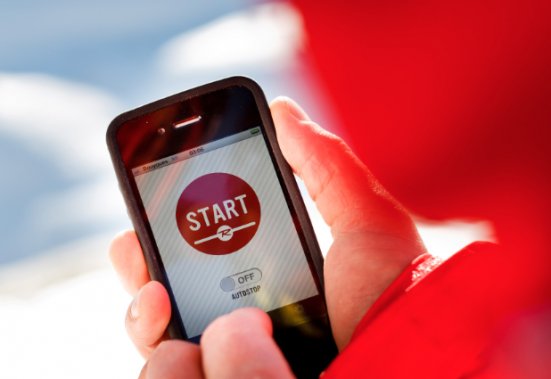
Disponible sous iOS et Android, l’application «Ski Pursuit» de Rossignol accompagnera les skieurs cet hiver, et leur permettra d’échanger avec leurs amis toutes les données de leurs séances, des distances parcourues jusqu’à la vitesse moyenne des descentes.
Après avoir glissé leurs téléphones intelligents dans la poche de leur combinaison, les skieurs pourront cet hiver calculer toutes les statistiques de leurs séances, et ce grâce à l’application du fabricant Rossignol, intitulé «Ski Pursuit», qui utilise les données du GPS.
Le module compile la vitesse moyenne d’un skieur, mais aussi les distances parcourues et le dénivelé des pistes.
Pour aiguiser l’esprit de compétition, les utilisateurs ont à disposition un classement, qui leur permet de se comparer à leurs amis et aux meilleurs virtuoses de la glisse.
L’application est en effet connectée au compte Facebook de son utilisateur.
À la fin d’une séance, les skieurs peuvent ensuite visualiser les trajectoires effectuées en trois dimensions, au moyen de Google Earth.
décembre
13
Chez Piranha, l’innovation est notre coeur de métier. Voici une vidéo que nous avons beaucoup aimé!
novembre
29
Chez l’Oncle Sam, le QR code séduit le consommateur et les publicitaires, mais beaucoup moins le business de la restauration. Pourtant, les initiatives séduisantes ne manquent pas, comme la nouvelle application Coaster…
A restauration rapide, réponse rapide ? La timide appropriation du Q(uick) R(esponse) code par les chantres du fast food outre-Atlantique tend à prouver que non. Pourtant, si cette industrie très lucrative capitalise mal sur l’attraction du consommateur pour le QR code, la démocratisation de l’outil digital dans les bars et les restaurants se développe doucement… mais sûrement.
A l’image de la nouvelle application nord-américaine Coaster , les startups qui craquent pour le code utilisent ses atouts avec ingéniosité et pragmatisme. Disponible sur Apple Store et Google Play , Coaster ne fonctionne pour l’instant qu’à San Francisco. Elle devrait vite s’étendre à tous les Etats-Unis . Quel consommateur n’aimerait pas connaître le bar près de chez lui proposant les meilleurs cocktails, visualiser son choix sur l’écran de son smartphone, lire le menu et commander sa préférence en ligne avant d’aller la siroter sur place ?
Dans le même esprit que la pionnière Paperlinks , réservée aux repas à emporter, et que son expansion naturelle You Smart Butler - qui permet de lire le menu et passer commande dans tous les restaurants via sa plateforme – l’application développée par la startup californienne est encore plus attractive sur le papier.
Un « win-win » incontestable
Pourquoi ? Primo parce qu’ elle utilise la géolocalisation dans la même veine que Yelp , et propose une liste de possibilités à l’utilisateur. Secundo, car le consommateur peut lui même concevoir son cocktail personnalisé, être alerté sur son mobile quand il est prêt, et régler la note via ses codes bancaires pré-enregistrés au téléchargement de l’app. Une fois dans le bar, il suffit simplement de présenter le code à trois chiffres reçu à la commande pour la confirmer et aller s’asseoir déguster le sésame.
Si pour le consommateur l’intérêt de Coaster dépasse largement le caprice du feignant hyper-connecté, pour les bars qui choisissent de l’utiliser elle permet d’éviter la gestion parfois compliquée des files d’attente au comptoir. Un « win-win » sur lequel repose le produit d’appel du QR code auprès de l’industrie de la restauration, mais aussi de l’hôtellerie. Dans une étude de février 2011 réalisée par l’agence MGH , on apprend qu’aux Etats-Unis, les QR codes servent encore principalement à profiter de bons de réduction ou de coupons promotionnels (53%), et à avoir accès à des informations supplémentaires sur le produit ou service (52%). Dans moins de 10% des cas, ils sont utilisés dans des restaurants ou des bars.
Source: Influencia
novembre
29
Faites le ménage dans vos applications et générez un don à Salvation Army. Une initiative généreuse et créative imaginée par de jeunes étudiants de la Miami Ad School.
Et si le virtuel laissait place au réel ? parfois un peu rude… Westley Taylor, Philip Hovensjö, Max Pilwat et Andy Schwitter ont imaginé le concept de la « Donation Box » pendant leurs études. Le principe est simple : pour toute application apple jetée dans sa poubelle virtuelle, un don est automatiquement fait à The Salvation Army, l’équivalent de l’Armée du Salut aux Etats-Unis. Se débarrasser d’Angry Bird, ces oiseaux enragés, permet par exemple à l’association de récolter environ 1 dollar.
Il suffirait, pour ce faire, de télécharger l’application Donation Box et d’y glisser toutes les applications dont on ne se sert plus. Simple et pratique pour tout le monde!
Aucun commentaire